
Extracting Wisdom Teeth: What to Expect
Pulling teeth might sound intimidating, but it’s often the most straightforward solution when a tooth can’t be saved or when wisdom teeth start causing problems. Dentists handle extractions routinely using techniques that minimize discomfort and speed up healing. This guide focuses specifically on wisdom teeth since they’re the most common extraction situation for teens and young adults.
Understanding Wisdom Teeth Extractions
Wisdom teeth are your third molars that typically try to emerge between the ages of 17 and 25. Most people’s jaws don’t have enough room for these latecomers, which creates problems. When a wisdom tooth gets stuck under the gum or grows sideways, we call it impacted.
Impacted wisdom teeth can push against your other molars, crowd your bite, or create pockets where food gets trapped and bacteria multiply. X-rays show us exactly what’s happening under your gums so we can decide whether extraction makes sense. Catching issues early usually means simpler removal and faster recovery than waiting until infection or severe pain forces the issue.
Signs Your Wisdom Teeth Need Attention
Your wisdom teeth might need extraction even if they’re not causing obvious pain. Watch for these indicators:
- Physical discomfort and changes – Jaw stiffness when you wake up, swelling near the back corners of your mouth, or difficulty opening your mouth fully can all point to impaction. Some people notice their bite feels different or their straight teeth are starting to shift slightly.
- Recurring infections and persistent bad breath – Repeated infections in the gum tissue around a partially erupted wisdom tooth are a clear signal that something needs to happen. Bad breath that doesn’t improve with brushing sometimes comes from food trapped around a wisdom tooth that’s only partway through the gum.
During your regular checkups, we can spot potential problems before they become painful emergencies. Removing wisdom teeth in your late teens or early twenties typically means easier surgery and quicker healing than waiting until your thirties or forties. The roots aren’t fully formed yet, the bone is less dense, and your body recovers faster. One patient recently told us she wished she’d handled hers at 19 instead of waiting until 28, when the recovery took twice as long.
The Extraction Process
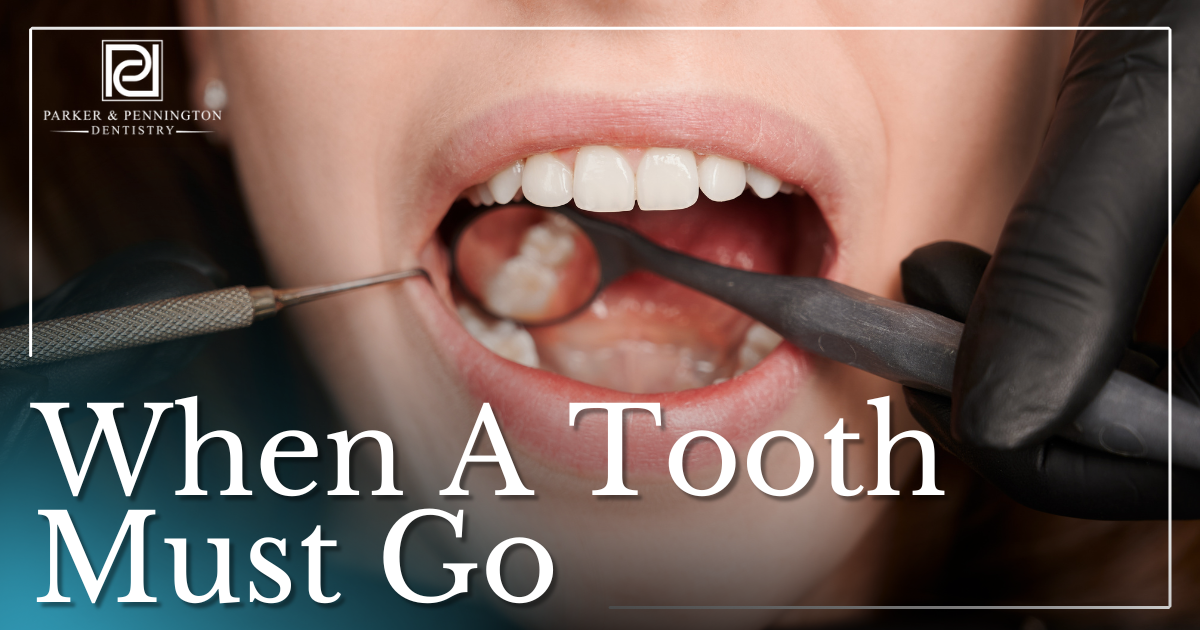
Wisdom tooth extraction starts with a thorough exam and X-rays that show exactly how each tooth is positioned. Simple extractions of fully erupted teeth usually take 20 minutes per tooth under local anesthetic. Impacted teeth require more time, sometimes 45 minutes to an hour, because we need to access them through the gum tissue.
You’ll feel pressure during the procedure, but no pain. Local anesthetic completely numbs the area, and we can add nitrous oxide or oral sedation if you’re anxious. For surgical extractions, we make a small incision in your gum, remove any bone blocking access to the tooth, and then take the tooth out in pieces if necessary. This sectioning approach is gentler than trying to remove an impacted tooth whole.
Most people are surprised by how uneventful it feels. You hear some cracking sounds as the tooth loosens, but it’s over before the anxiety can build. We clean the socket, place stitches if needed, and have you bite on gauze to control bleeding. The whole appointment typically takes about an hour, including prep time.
Recovery at Home
The first 24 hours matter most for healing. Bite gently on gauze for 30 to 45 minutes after you get home to let a blood clot form in the socket. This clot is crucial for healing, so avoid anything that might dislodge it, like drinking through a straw, spitting forcefully, or smoking.
Swelling peaks around day two or three, then gradually improves. Ice packs applied for 20 minutes on and 20 minutes off during the first day help minimize it. After 48 hours, switching to warm compresses can soothe residual soreness. Most people feel significantly better by day four or five.
Stick with soft foods for the first few days to avoid irritating the extraction site:
- Yogurt, applesauce, and smoothies work well for the first 24 hours when chewing feels awkward
- Mashed potatoes, scrambled eggs, and soup can be added on day two
- Gradually reintroduce normal foods as comfort allows, usually within a week
- Rinse gently with warm salt water after meals, starting the day after surgery, to keep the area clean
- Take prescribed pain medication or over-the-counter ibuprofen as directed to manage discomfort
Scheduling Your Consultation
If your wisdom teeth are starting to emerge, schedule an evaluation at our office located in St. Marys, GA. At Parker & Pennington Dentistry, we’ll take X-rays, assess your specific situation, and discuss whether extraction makes sense now or if monitoring works better. Getting ahead of problems beats dealing with a painful emergency down the road.